
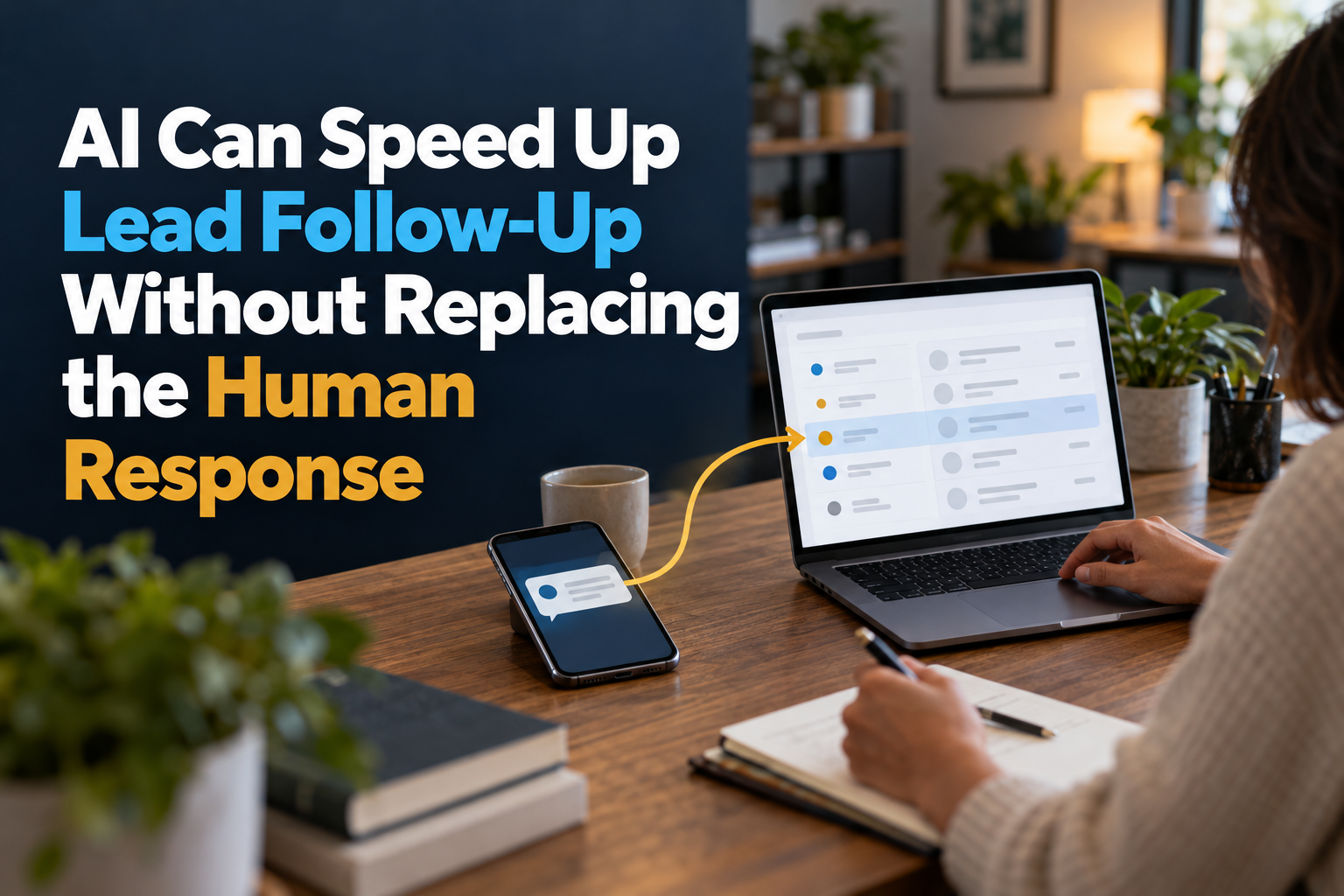
AI can help a small business respond to leads faster by organizing intake, routing the inquiry, preparing a first draft and reminding someone to follow up. It should not decide that every lead deserves the same answer or keep a person out of a conversation that requires judgment.
The useful goal is a cleaner handoff. The lead should reach the right employee with enough context to respond accurately.
Start With the Lead Handoff
Write down what happens after someone submits a form, calls, sends an email or messages a social account. Identify who receives the notice, what information must be present, who owns the response and how long the team expects the handoff to take.
Fix obvious gaps before adding AI. If nobody owns the inbox or the form asks for too little information, faster drafting will not solve the real problem.
Let Automation Handle the First Routine Steps
A practical workflow may acknowledge that the inquiry arrived, copy approved details into the right system, route the lead by service or location, summarize the request and create a reminder. These steps can save time because they are repetitive and do not require the system to make a promise.
Magic Mile Media’s AI Implementation for Business approach starts with the business problem and connects the workflow to making money, saving money or saving time. For lead follow-up, the business result may be fewer missed inquiries and less staff time spent copying information.
Keep the First Draft Grounded in Real Information
A draft should use the lead’s actual message and approved business information. It should not invent availability, pricing, deadlines or qualifications. Give the employee the original inquiry, the draft and the source information used so the response can be checked quickly.
OpenAI’s current use-case guidance recommends prioritizing opportunities by business impact. That is a better test than choosing a workflow because the technology looks impressive.
Use a Clear Rule for Human Takeover
A person should take over when a lead asks for a quote, raises a complaint, shares sensitive information, requests an exception or needs advice that depends on context. High-value opportunities and unclear requests also deserve direct review instead of another automated message.
NIST’s AI Risk Management Framework Core emphasizes defined roles and responsibilities for human oversight. In a small business, that means naming the employee who checks the information, approves the response and decides the next step.
Measure Whether the Workflow Helps
Track a small set of useful signals before and after the test: missed inquiries, time to first human response, drafts that require major correction and leads that reach the correct owner. Review real examples, not just a dashboard total.
Start with one lead source and one service. Keep the workflow only if it makes the handoff faster without weakening accuracy or the customer experience.
Questions Business Owners Often Ask
Should AI answer every new lead immediately?
No. It may send a clear acknowledgment, but a meaningful response should wait when the inquiry requires judgment, pricing or an exception.
What information should the system collect?
Collect only what the business needs to route and understand the request, such as contact details, service interest, location and the customer’s own message.
Can AI decide whether a lead is qualified?
It may organize information using approved criteria, but a person should review unclear cases and any decision that affects how the customer is treated.
Where should a small business begin?
Choose one inbox or form, document the current handoff and test a limited workflow with one accountable owner.