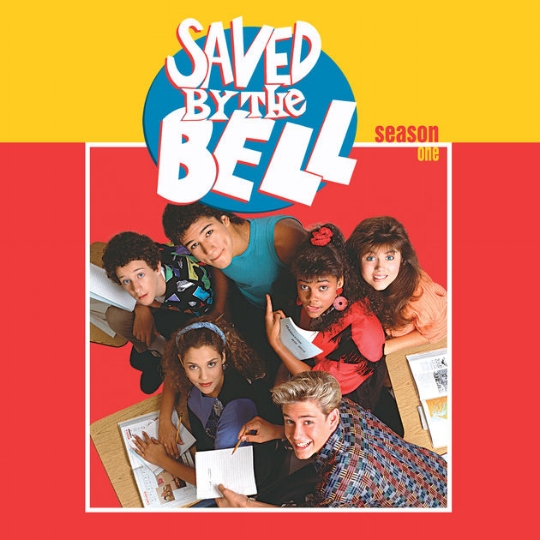
Generation X remembers AOL’s “You’ve Got Mail” marketing strategy and it was effective – they signed up for email! Although open rates and click-through rates of email aren’t as high as ten years ago, it’s still an effective strategy to reach your consumer. Just remember your audience and that they’ve probably tried on a pair of “Saved by the Bell” zubaz pants!
Small things like having voucher codes that automatically process at checkout versus typing the SAVE10PERCENT code helps them save time and aggravation. Plus, it shows that you understand that small step speaks to the core of who they are.
Many small business owners disregard Facebook because they think that it isn’t suitable for B2B marketing, but the platform has over 2 billion monthly active users!
With the rise of social, the power is shifting and the playing field is leveling out. Many big brands are still churning through their huge advertising budgets via traditional media and smaller businesses have the agility to outmaneuver them with engaging content.
Your customers have made the conscious choice to do business with you when they could have gone to any of your competitors. Providing them with small rewards for staying is far cheaper than investing in a grand promotional campaign to win new ones.
Over this seasonal period, it’s easy to stress about your competition and worry that you don’t have the same budget that the big brands do. Luckily for you, it’s never been easier or cheaper to reach out to your customer base with social media, giving you the ability to deliver compelling reasons to check out your business, straight to their screens.
The primary objective for effective MarCom is to create and sustain a bond between your business and your target customers through consistent messaging and brand building. That bond, coupled with message consistency, builds a trust that enables your businesses to shorten the long-term sales cycle. Since this may sound more like marketing geek-speak than real-world solutions, let’s dial it back a notch and look at some steps to effectively communicate a successful marketing campaign.
If for whatever reason you don’t believe data equals money, consider that Amazon has over 40 data storage centers worldwide, housing millions of servers trained to measure, capture, and record every customer’s purchase, shoe size, mouse click, and sometimes even eye movement. Google has 20. Walmart, at least a dozen.